What to know about Greenwich council fly tip rules and fines
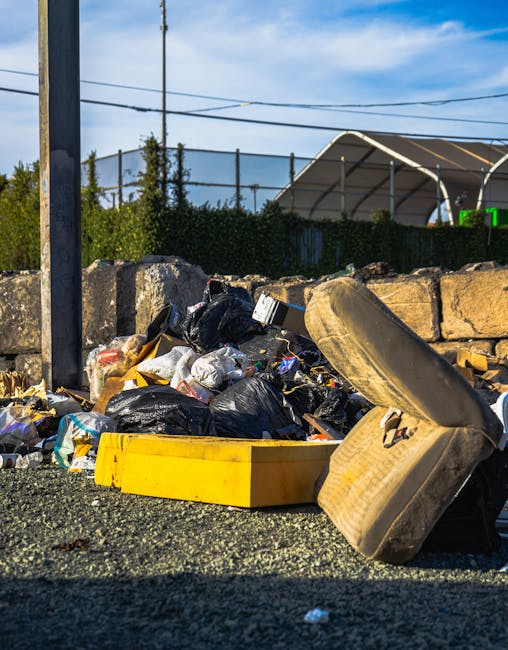
If you live, work, or clear waste in Greenwich, fly-tipping is one of those issues that can turn a normal day into a very expensive one. What to know about Greenwich council fly tip rules and fines is not just about avoiding punishment; it is about understanding what counts as illegal dumping, who can be held responsible, and how to get rid of rubbish properly without creating a headache for yourself later. Truth be told, a lot of fly-tipping problems start with something small: a sofa left beside a bin, a builders' sack "just for a night", or a person offering a cheap collection with no paperwork. Then it snowballs.
This guide breaks the topic down in plain English. You will learn how Greenwich Council-style enforcement generally works, what kinds of waste cause the most trouble, the practical steps that help you stay compliant, and when using a proper rubbish removal or waste collection service makes more sense than taking a risk. Let's face it, nobody wants a fine because a clearance job was handled carelessly.
Practical summary: If waste is left where it should not be, handed to an unlicensed carrier, or dumped without permission, the owner, occupier, or person responsible may face enforcement action. The safest route is to keep records, use reputable disposal methods, and choose the right clearance option for the type of waste.
Why What to know about Greenwich council fly tip rules and fines Matters
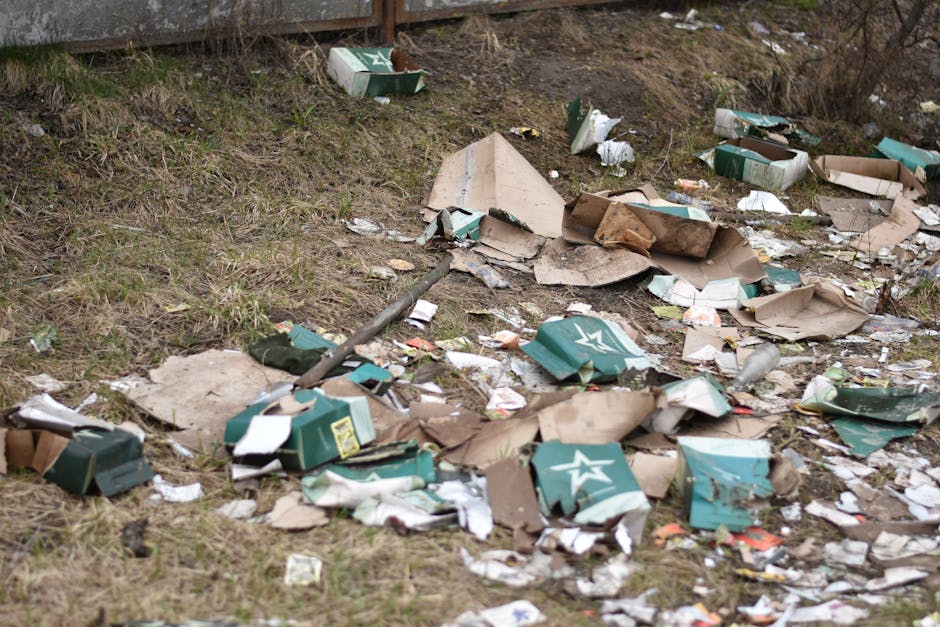
Fly-tipping is not a vague nuisance. It is illegal dumping, and it affects everyone around it: neighbours, landlords, businesses, passengers passing a side street, and even the person who thought they were "just leaving it there for a minute". In Greenwich, as in other London boroughs, rubbish left on public land or private land without permission can trigger enforcement action. That may include a fixed penalty, investigation, or a request to remove the waste immediately.
The reason this matters so much is simple: waste does not stay harmless for long. A mattress dumped by a wall can quickly become a magnet for more bags. A broken wardrobe in a lane can block access, attract pests, and make a street look neglected. And if the rubbish contains paperwork, labels, or anything tied to your name or business, you may find yourself explaining matters that could have been avoided with ten minutes of care.
There is also a cost to the community. Clearance, reporting, enforcement, and clean-up all take time. For businesses, a messy waste trail can damage reputation in a very visible way. For homeowners and landlords, it can affect tenants, neighbours, and sometimes insurance discussions too. In our experience, people are often surprised by how quickly a simple disposal mistake becomes a local dispute. It's a bit grim, honestly.
So this is not just a rules article. It is a practical prevention guide. If you understand the pressure points, you can avoid them.
How What to know about Greenwich council fly tip rules and fines Works
At a basic level, the rules are about responsibility. If waste is dumped illegally, the council can look at who placed it there, who owns it, who occupied the land, and whether a business or individual failed in their duty of care. The exact response depends on the circumstances, but the key idea is constant: waste must be stored, transferred, and disposed of lawfully.
There are a few common scenarios.
- Household waste left on the street: If you leave items outside collection times or put them somewhere they should not be, it may be treated as fly-tipping or littering depending on the facts.
- Private hire collections gone wrong: If you pay someone who takes your rubbish and dumps it, you may still be asked questions if there is evidence tying the waste back to you.
- Builders' waste dumped nearby: Waste from refurbishments, strip-outs, or gardening work needs the right paperwork and disposal route. That is especially important for trade waste and heavier materials. See our builders' waste clearance service for a safer way to handle it.
- Items left after a move or clear-out: Furniture, white goods, and mixed rubbish left by a property can create problems if not removed promptly and properly.
Fines are usually meant to encourage compliance, but they are also evidence that the council takes the issue seriously. The exact amount can vary depending on the case and local enforcement approach. That is why it is better to think in terms of risk management rather than trying to guess an exact number. The real question is: can you prove your waste was handled properly?
Here is the useful bit. If you keep a clear record of what was collected, by whom, and where it went, you are in a much stronger position if anything is challenged later. A receipt, a written agreement, or a proper disposal trail can make a world of difference. That little bit of paperwork is not glamorous. It is, however, very useful.
Key Benefits and Practical Advantages
Knowing the rules is not only about avoiding fines. It gives you control over the whole waste process. And control matters, because the cheapest option at the start is often the most expensive option by the end.
- Less risk of enforcement action: You are less likely to be blamed for improper disposal if you can show a clear route from your property to lawful collection.
- Cleaner streets and communal areas: A better disposal process means fewer bags left behind, fewer complaints, and fewer awkward messages from neighbours.
- Better planning for moving or renovation work: When you know what can and cannot be left out, you can plan a clear-out properly instead of improvising on the day.
- Smarter spending: A proper collection can be more cost-effective than dealing with fly-tipping consequences, repeat clean-ups, or avoidable fines.
- Improved trust for businesses and landlords: Tenants, customers, and neighbours notice whether waste is managed responsibly. They really do.
For example, a small flat clearance near a busy road can go from calm to chaotic if bags are left on the pavement overnight. But if the items are sorted and removed properly, the whole job disappears in one visit and everyone gets on with life. That is the difference between tidy logistics and a complaint waiting to happen. If you need help with this kind of job, a structured flat clearance or home clearance approach can save time and stress.
Who This Is For and When It Makes Sense
This topic is relevant to a lot of people, not just people who have already had a problem. If you are dealing with waste of any kind in Greenwich, it is worth understanding the basics before you act.
- Homeowners: Especially if you are decluttering, replacing furniture, or clearing a garden.
- Tenants: If you are moving out and need to leave the property clear and tidy.
- Landlords and letting agents: If a property has been left with rubbish in a yard, hallway, garage, or side return.
- Tradespeople: Builders, decorators, and fitters who need lawful handling of trade waste.
- Businesses: Offices, shops, and small premises with regular waste management needs.
It also makes sense for anyone who has seen waste dumped nearby and is unsure what to do next. Do you report it? Move it? Wait? The answer depends on whether it is safe and whose land it is on, but the key point is: do not assume it is "someone else's problem" if it is tied to your property or activity.
One of the more common situations is a property clear-out after a move. A sofa, a broken table, and a few old bags can seem manageable, but if they are left in the wrong place, the risk changes. That is where services like furniture disposal or sofa removal become useful, because they take the guesswork out of it.
Step-by-Step Guidance
If you want to stay on the right side of Greenwich fly-tipping rules, a practical process is better than a vague plan. Here is a straightforward way to handle it.
- Identify the type of waste. Household junk, garden waste, builders' rubble, office items, and furniture all have different disposal needs.
- Check whether it can go in normal council collection. Some items can, some cannot, and some need preparation before collection.
- Separate reusable from non-reusable items. This is simple but underrated. A bit of sorting can reduce cost and volume.
- Use a lawful disposal route. Choose a licensed collection or proper transfer method rather than handing it to someone with no clear paperwork.
- Keep evidence. Save receipts, messages, collection notes, or any confirmation that shows what was taken and when.
- Do not leave waste in shared or public spaces. Hallways, front gardens, alleyways, pavement edges, and bin stores can all become trouble spots.
- Follow up quickly if waste appears to have been dumped. If rubbish is found near your property or business, document it and act sooner rather than later.
A lot of people skip step five. Then they regret it later. It sounds dull, but records are your friend.
If the job is bigger than a standard bag collection, think about a proper rubbish clearance or waste removal approach instead of trying to improvise with a car boot, a borrowed van, and a prayer.
Expert Tips for Better Results
Small habits make a big difference here. After enough clearances, you start to notice the same issues again and again. The good news? Most are avoidable.
- Take photographs before and after collection. This is especially helpful for landlords, agents, and businesses.
- Label mixed waste if several people are involved. In shared buildings, it helps to know which items belong to which flat or unit.
- Book the right vehicle size. Too small and you risk repeat trips; too large and you may overpay.
- Ask how waste is handled after collection. A reputable carrier should be able to explain the process in plain terms.
- Plan around access. Narrow streets, parking restrictions, and stair access all matter in Greenwich and the surrounding areas.
If you are clearing a garden in spring, for instance, the smell of damp soil, cut branches, and old compost can make the whole place feel busier than it is. Sort the green waste early, then treat the rest separately. A proper garden clearance can stop that slightly chaotic heap from becoming a neighbourhood eyesore.
And if you are dealing with office items, don't just shove them in the nearest skip. That is how people end up with unnecessary questions about duty of care. A cleaner route is to use a dedicated office clearance plan.
Common Mistakes to Avoid
This is where many problems begin. Most fly-tipping cases are not dramatic masterminded offences. They are often the result of a rushed decision or a poor assumption. Easy mistake, expensive outcome.
- Leaving rubbish outside "temporarily": Temporary can turn into fly-tipping very quickly.
- Using an unverified collector: If they cannot explain how they dispose of waste, that is a red flag.
- Mixing trade waste with household rubbish: Builders' waste often needs different handling, and that can affect compliance.
- Assuming someone else will move it: Shared spaces are where blame gets messy.
- Throwing away documents without checking contents: Name, address, and business labels can link rubbish back to you.
- Forgetting bulky items: Sofas, wardrobes, and mattresses are commonly mishandled because they are awkward, not because they are rare.
One often-overlooked mistake is failing to match the service to the job. A quick rubbish bag collection may be fine for light domestic waste, but it is not always the right answer for heavy mixed loads or full-property clearances. In those cases, a broader waste clearance or house clearance service is usually the calmer option.
Tools, Resources and Recommendations
You do not need a complicated toolkit to manage waste properly, but a few simple things help a lot.
- Phone camera: For documenting waste condition, location, and collection proof.
- Basic checklist: Helps you separate reusable items, hazardous items, and general rubbish.
- Written notes or messages: Keep booking confirmations and collection details in one place.
- Simple weighing or volume estimate: Useful when deciding whether you need one trip or more.
- Clear labels or tape: Handy for mixed household clearances or multi-occupancy buildings.
For people who want less back-and-forth, a local team with a wide range of disposal options can be useful. That might include rubbish collection, waste disposal, or more targeted services like garage clearance when the space has been used as a storage dump for years. You know the kind of place: old paint tins, half-empty boxes, a bike wheel from 2009, the lot.
If you are not sure what service you need, a short conversation is often enough. You can use the company's about us page to understand the approach, or reach out through the contact us page when you are ready to ask specific questions.
Law, Compliance, Standards, or Best Practice
Without getting overly legal about it, the compliance principle is straightforward: waste should be disposed of responsibly, and you should be able to show that it was. In the UK, there is a strong expectation of care around transfer and disposal, especially for businesses and anyone handling waste on behalf of others. That means choosing proper carriers, keeping records, and avoiding casual handovers to people who can't explain what happens next.
For households, the same common sense still applies. Even if the law feels a bit distant, the consequences of getting it wrong are immediate. If waste is dumped in a public place, enforcement may focus on where it came from and who was responsible for placing it there. If rubbish is left on private land without consent, the landowner or occupier may still need to act to remove it.
Best practice is not complicated:
- Use trustworthy collection methods.
- Keep a record of disposal.
- Separate waste streams where possible.
- Do not leave items out early or in the wrong place.
- Match the waste type to the correct service.
For businesses, this matters even more because waste handling is part of operational responsibility. A messy back yard behind a shop, or a box pile outside an office, can create visible compliance issues fast. If that sounds familiar, a dedicated business waste solution is usually the cleaner route.
Options, Methods, or Comparison Table
When people ask how to deal with rubbish in Greenwich, they are often really asking which method is best for their situation. Here is a simple comparison.
| Option | Best for | Strengths | Watch-outs |
|---|---|---|---|
| Standard council-style collection | Routine household waste | Convenient for regular bins and approved item types | Not ideal for bulky, mixed, or urgent waste |
| Private rubbish collection | Small to medium clear-outs | Flexible timing and collection point | Choose a reputable provider and keep proof |
| Full waste removal | Larger clearances or mixed loads | Better for heavy, bulky, or awkward waste | Needs more planning and access coordination |
| Targeted item removal | Sofas, furniture, garage clutter | Efficient for one-off bulky items | Not enough on its own for major clearances |
The right choice depends on volume, access, and how quickly you need the area cleared. If the waste is mostly household clutter, rubbish clearance may be enough. If you are facing a full room or whole-property job, a more structured waste removal plan will usually be better value.
Case Study or Real-World Example
A Greenwich tenant moving out left several bags, an old chair, and a broken bookshelf near the property entrance because the lift was being used and they thought they would "deal with it later". By morning, the hallway looked like a tiny storage room nobody wanted. Another resident complained, the landlord got involved, and the bags had to be moved quickly to avoid a bigger issue. Nothing dramatic. Just messy enough to become a problem.
The fix was straightforward once everyone stopped guessing. The mixed waste was sorted, the furniture was removed properly, and the remaining rubbish was collected in one go. The lesson was not that the building was difficult. It was that leaving waste in a shared area created unnecessary risk. Had the tenant arranged a proper clearance first, the whole thing would have been quieter, faster, and frankly less embarrassing.
That kind of situation is common in blocks of flats, especially where people are working to deadlines and parking is awkward. A planned flat clearance can prevent exactly this sort of last-minute scramble. Small detail, big difference.
Practical Checklist
Use this before you place, move, or hand over any waste in Greenwich.
- Have I identified the type of waste correctly?
- Do I know whether it is household, bulky, garden, or trade waste?
- Can I keep the waste inside until collection day?
- Have I chosen a lawful disposal route?
- Do I have a record of who is collecting it?
- Have I separated reusable items from general rubbish?
- Is the access point safe and clear?
- Will anything be left on public land or in a shared area?
- Do I need a furniture, sofa, garage, or office-specific service?
- Have I saved proof of the arrangement?
If you tick most of these boxes, you are already ahead of the usual mistakes. That may sound obvious, but obvious is often what saves money.
Get a free quote today and see how much you can save.
Conclusion
What to know about Greenwich council fly tip rules and fines comes down to one simple idea: do not leave waste to chance. Whether you are clearing a flat, dealing with builders' debris, or getting rid of bulky furniture, the safest approach is to use a clear, lawful disposal route and keep proof of what happened. That protects you, helps the neighbourhood, and saves a lot of unnecessary stress.
In practice, the best results come from planning early, matching the service to the waste, and resisting the temptation to treat rubbish as someone else's problem. A tidy clearance is quiet. It just gets done. And honestly, that is a relief in itself.
When you are ready to sort it properly, a sensible service can make the whole thing feel lighter. One less worry, one less mess, and a street that stays a bit more respected. Not bad for a day's work.
Frequently Asked Questions
What counts as fly-tipping in Greenwich?
Fly-tipping usually means leaving waste in a place where it is not allowed, such as a pavement, alley, verge, communal area, or private land without permission. The exact treatment can depend on the facts, but if rubbish is dumped rather than properly disposed of, it can fall into that category.
Can I be fined if someone else dumped the waste?
Potentially, yes, if the waste can be linked back to you or your property and you cannot show it was handled properly. That is why receipts, messages, and collection records matter more than people expect.
Do council fly-tipping fines always have the same amount?
No. Enforcement action can vary by case, by waste type, and by local circumstances. It is safer to focus on preventing the issue rather than trying to predict a number.
Is leaving rubbish beside a bin the same as fly-tipping?
It can be, depending on where it is left and whether it interferes with collections or public space. A bag "beside" a bin is still a problem if it is not in the right place at the right time.
What should I do if I find dumped rubbish near my property?
Take photos, note the location, and avoid moving anything unsafe. If it is on land connected to your property or business, act quickly and keep a record of what you find and what you do next.
How do I dispose of a sofa without risking a fine?
Use a proper bulky waste route or a removal service that can collect and dispose of it lawfully. A dedicated sofa removal service is often the easiest option.
Are builders responsible for their own waste?
Yes, in practical terms they should be. Trade waste needs proper handling, and leaving it around a site or on the street is a common cause of enforcement problems.
What if I am clearing a garage full of mixed junk?
Then a one-off collection may not be enough. Mixed clear-outs often work better with a structured garage clearance or broader waste removal plan.
Is it safer to book a private waste collection than to dump items myself?
Yes, if you choose a reputable provider and keep proof of the arrangement. The risk usually drops a lot when disposal is handled professionally and you can trace what happened.
What is the best way to avoid problems with Greenwich fly tip rules?
Keep waste on your property until collection, use proper disposal routes, save records, and avoid handovers to anyone who cannot explain where the waste will go. That simple routine prevents a surprising number of headaches.
Do I need a special service for office waste?
If it is beyond normal bin waste, yes, it often helps to use a service designed for commercial clearances. An office clearance or business waste solution is usually more appropriate.
Where can I get help with a larger clearance in South East London?
If you need support across the area, a local team that covers multiple neighbourhoods can simplify things. Services such as South East London coverage and related area pages can help you find the right fit for your location, whether you are in Greenwich, Deptford, Woolwich, or nearby.