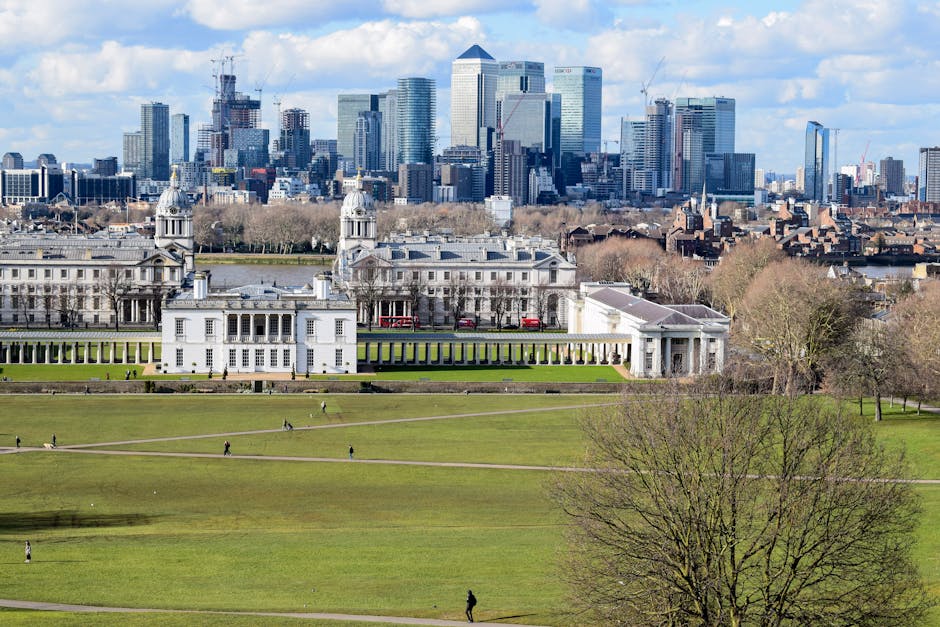
Southeast London rubbish removal guide for Greenwich SE10
If you live or work in Greenwich SE10, rubbish has a habit of building up at the worst possible moment. One week it is a broken wardrobe, the next it is garden cuttings, renovation offcuts, or a flat full of things that need shifting fast. This Southeast London rubbish removal guide for Greenwich SE10 is here to make the whole process feel less messy, less confusing, and a lot more manageable.
We will walk through how rubbish removal works in Greenwich, what to consider before booking, which services fit different situations, and where people often go wrong. Whether you are clearing a house, emptying a garage, dealing with office waste, or just trying to get the last bits out of the hallway, the goal is the same: clear the space properly, safely, and without unnecessary stress. Truth be told, a bit of planning saves a lot of swearing later.
For readers who want broader local coverage across the wider area, the South East London service area can be useful context, especially if your needs stretch beyond Greenwich itself.
Expert summary: the best rubbish removal is usually the one that matches the waste type, access, timing, and disposal needs of your property. In Greenwich SE10, that often means thinking beyond simple collection and choosing the right mix of clearance, transport, and responsible disposal.
Table of Contents
- Why Southeast London rubbish removal guide for Greenwich SE10 matters
- How Southeast London rubbish removal guide for Greenwich SE10 works
- Key benefits and practical advantages
- Who this is for and when it makes sense
- Step-by-step guidance
- Expert tips for better results
- Common mistakes to avoid
- Tools, resources and recommendations
- Law, compliance, standards, or best practice
- Options, methods, or comparison table
- Case study or real-world example
- Practical checklist
- Conclusion
- Frequently asked questions
Why Southeast London rubbish removal guide for Greenwich SE10 matters
Greenwich is a busy, varied part of London. You have period homes, flats, maisonettes, riverside developments, student lets, busy roads, narrow access points, shared entrances, and the occasional awkward stairwell that seems designed to test your patience. That mix matters. Rubbish removal is never just about "getting rid of stuff"; it is about getting it out of the property without creating new problems in the process.
In SE10, the difference between a smooth clearance and a frustrating one usually comes down to access, parking, waste type, and timing. A set of old cabinets in a top-floor flat is a different job from a shed full of soil, a garage stuffed with long-forgotten boxes, or builder's waste from a kitchen refit. The right approach saves time and reduces the risk of damage to walls, communal hallways, or lifts.
It also matters because rubbish is often more emotionally loaded than people expect. A loft clearance can uncover years of family belongings. A flat clearance can come during a move, a bereavement, or a tenancy change. These are not always cheerful moments, and a respectful, organised clearance helps take some of the weight off. That is not fluff. It really does.
There is also the practical side. If rubbish sits too long, it can start to smell, attract pests, block access, or simply make a property harder to live in. In a busy area like Greenwich, where people often need things done quickly between work, travel, and school runs, having a clear plan matters more than ever.
If you are dealing with a specific type of load, it is worth looking at dedicated services such as rubbish removal, waste clearance, or rubbish collection rather than assuming every job is the same. They are not.
How Southeast London rubbish removal guide for Greenwich SE10 works
Most rubbish removal jobs in Greenwich SE10 follow a fairly simple pattern, even if the actual lifting is a bit more physical than simple sounds. First, you identify what needs to go. Then you decide whether it is general rubbish, bulky waste, furniture, garden waste, builders' debris, or something more specialist. After that, access and volume are assessed so the removal can be planned properly.
In practical terms, the process usually looks like this:
- List the items clearly. Separate general waste, reusable items, and anything that may need special handling.
- Check access. Think about stairs, parking, lift access, narrow front doors, or side returns.
- Choose the right service. For example, a garage full of random items is different from a single sofa or a full office clear-out.
- Confirm timing. Same-day or next-day collection is often useful when space is tight.
- Load, remove, and sort. Responsible handling matters because not all waste should go to the same place.
- Dispose appropriately. Waste should be dealt with in line with local rules and accepted UK best practice.
If you are clearing one room, the job may be quick. If you are doing a whole property, it can be more involved. That is why services like home clearance, house clearance, flat clearance, and office clearance exist as separate options. They reflect the real differences in how these jobs work on the ground.
For bulky furniture, especially items like beds, wardrobes, and heavy sofas, a dedicated option such as furniture disposal or sofa removal may make the process more straightforward. Less faff, less lifting for you, less chance of scratching the stairwell on the way out.
Key benefits and practical advantages
The biggest advantage of organised rubbish removal is simple: you get your space back. But there is more to it than that.
- Faster turnaround. What might take you several trips in a car or van can often be cleared in one visit.
- Less physical strain. Heavy lifting, awkward items, and repetitive trips downstairs are best left to people prepared for it.
- Better use of your time. Instead of spending a Saturday wrestling old furniture, you can move on with your actual plans.
- Cleaner finish. Professional clearance usually leaves the area more usable straight away.
- More suitable disposal. Different waste streams can be handled more responsibly.
- Lower stress during transitions. Moves, refurbishments, and bereavement clearances are easier when the waste side is handled properly.
There is a commercial side too. For landlords, agents, and local businesses in Greenwich, a fast clearance can protect void periods, prepare a property for viewings, or keep trading spaces usable. A tidy office also does more for staff morale than people sometimes admit. A pile of broken chairs in the corner has a way of making a place feel temporarily defeated.
For ongoing commercial needs, services like business waste and waste collection can be a better fit than one-off removal, especially if your waste is regular rather than occasional.
Who this is for and when it makes sense
This guide is relevant to a wide mix of people in Greenwich SE10, not just homeowners. In fact, a lot of waste jobs come from everyday situations that never look dramatic on paper.
- Homeowners clearing lofts, sheds, spare rooms, or driveways.
- Tenants getting ready to move out or hand a property back in decent shape.
- Landlords and letting agents dealing with leftover items after a tenancy.
- Flat owners with limited storage and awkward access.
- Local businesses clearing office furniture, packaging, or old stock.
- Tradespeople dealing with builder's debris after a refurbishment.
- Garden owners facing a pile of cuttings, bags of soil, and broken pots after a weekend reset.
It makes sense when the job is too much for the normal bin system, too bulky for a quick car run, or too time-sensitive to keep delaying. If you are asking yourself, "Can I realistically do this myself?" that is usually the point where a proper removal service starts to look sensible.
For bigger property clears, it can help to look at the more specific options too. A garage clearance suits a space full of mixed items. garden clearance fits outdoor waste. builders waste is the one for renovation debris, plasterboard, timber offcuts, packaging, and similar materials. Picking the right route matters more than people think.
Step-by-step guidance
Here is a practical way to plan rubbish removal in Greenwich without overcomplicating it.
1. Walk the space slowly
Start at the doorway and move through the room, garage, garden, or office with a clear eye. Look at what is going, what is staying, and what might be reused or donated. You would be surprised how often one box of "junk" contains three useful things and four things nobody remembers buying.
2. Separate waste by type
Keep furniture, green waste, builder's waste, and general rubbish apart if possible. That makes the job smoother and avoids confusion later. It also gives you a more realistic picture of the size of the task.
3. Measure the bulky items
If you have large furniture or awkward items, measure them roughly. This is especially helpful in flats and terrace houses with tight hallways. A sofa can look fine in the room and then become the enemy of the staircase. Happens all the time.
4. Check access and parking
In Greenwich, access can be the make-or-break detail. Is there a lift? Can a vehicle stop close by? Will items need to be carried through a communal entrance? Those small details affect time, labour, and the overall approach.
5. Choose the right service level
For a few items, a simple collection may be enough. For a complete property or mixed load, a fuller clearance service is often better. If you are unsure, compare the job against rubbish clearance, waste removal, and waste disposal so you can see which one fits the actual workload.
6. Clear pathways first
Before the team arrives, move easy items out of the way. It sounds small, but it can save time and reduce the risk of damage. A clear hallway is worth its weight in gold when a bulky item is coming through.
7. Confirm the final scope on arrival
The final walk-through is where any awkward surprises should be flagged. A sensible team will confirm what is included before work begins. No drama, no guessing.
Expert tips for better results
After a lot of clearance jobs, a few habits keep proving themselves. Not glamorous, just useful.
- Do not mix keep, donate, and remove piles. Mixed piles slow everything down.
- Take photos beforehand. Handy for landlords, tenants, and anyone who wants a clear record.
- Be honest about the amount of waste. Underestimating volume is one of the easiest ways to create delays.
- Keep hazardous items separate. Paint, chemicals, batteries, and certain electrical items may need special handling.
- Ask about reusable items. Sometimes furniture or fittings can be diverted away from disposal where suitable.
- Book early for tight move dates. End-of-tenancy days have a habit of filling up fast.
A small but important tip: if the job involves a mix of furniture, soft furnishings, and general rubbish, mention it clearly. That can affect how the team plans the load and whether they bring the right crew size. It sounds obvious, yet this is where a lot of jobs go sideways.
If you are clearing one large item, like a worn-out couch, the dedicated sofa removal page is a sensible fit. If you are looking at chairs, tables, and mixed household items, furniture disposal is often the cleaner option.
Common mistakes to avoid
Most rubbish removal problems come from a handful of predictable mistakes. Easy to make. Easy to avoid, if you know what to watch for.
- Leaving sorting until the last minute. That creates confusion and can turn a quick job into a messy one.
- Forgetting about access routes. A beautiful plan falls apart if the item cannot fit through the door.
- Assuming all waste is the same. It is not. Builders' debris, garden waste, and household rubbish each need different handling.
- Choosing based only on speed. Fast is useful, but only if the service also matches the waste type.
- Not checking what is excluded. Certain materials need special care. Better to ask than guess.
- Leaving the job half-sorted. A bit of discipline before collection day makes a huge difference.
A classic one is the "we'll just put everything by the front door" approach. Good intention, slightly chaotic outcome. Fine for a couple of bags, not ideal for a full flat clearance. You know the type of morning where everything is suddenly in the hallway and nobody can find the keys? It is like that, but with a mattress.
Tools, resources and recommendations
You do not need much gear to prepare for rubbish removal, but a few simple tools help:
- strong bin bags
- gloves
- tape for securing loose cardboard or flat-pack waste
- a marker pen for labelling keep/remove piles
- a tape measure for bulky items
- dust sheets or covers for protecting floors in a tight property
For larger domestic jobs, a structured service such as house clearance or home clearance is often more practical than piecing the work together yourself. For smaller or one-off jobs, rubbish collection can be enough.
It also helps to keep a simple notes list on your phone: what is going, how much of it there is, where it is located, and whether access is tricky. That one little list can save a lot of back-and-forth. A boring bit of admin, yes, but useful.
For area-based context in the wider South East London network, pages such as Greenwich, Charlton, and Deptford can help readers understand nearby local coverage without overcomplicating the decision.
Law, compliance, standards, or best practice
When dealing with rubbish removal in Greenwich SE10, the main thing is to follow sensible UK waste-handling practice. That means using a provider that is careful about where waste ends up, especially for mixed loads, furniture, electrical items, and any material that could be considered hazardous.
As a rule of thumb, you should:
- avoid leaving waste in communal areas longer than necessary
- separate any items that may need special handling
- keep clear records if you are a landlord, business owner, or property manager
- ensure waste is not fly-tipped or dumped unofficially
- treat electricals, chemicals, and sharp materials with care
For business users, compliance matters even more because duty of care is not just a nice idea; it is part of doing the job properly. Offices, shops, and workspaces should use a service that understands office clearance and business waste in a practical, documented way.
Best practice also means being realistic about what can be cleared in one visit. If a property has significant waste or a mix of materials, splitting the job across stages can be safer and cleaner than forcing it all into a rushed same-day clearance. Not every job should be rushed, even if the calendar says otherwise.
Options, methods, or comparison table
People often ask whether they should do it themselves, use council-style disposal, or book a private rubbish removal service. The answer depends on time, access, waste type, and how much lifting you are willing to do. Here is a practical comparison.
| Method | Best for | Pros | Trade-offs |
|---|---|---|---|
| Self-clearance | A few light items, small car loads, low urgency | Low direct cost, full control | Time-consuming, heavy lifting, multiple trips, parking hassles |
| Private rubbish removal | Bulky items, mixed waste, tight deadlines | Fast, convenient, less physical effort | Usually costs more than doing it yourself |
| Specialist clearance | Homes, flats, garages, gardens, offices, builder's waste | Matched to the job, more organised, better for large loads | Needs clear description of what is included |
There is no one perfect choice. If you are shifting a single shelf and two bags, self-clearance may be fine. If you are clearing a two-bedroom flat in SE10 after a move, the specialist route usually makes far more sense. Especially if the lift is tiny, which in London is somehow always the case.
Case study or real-world example
Imagine a Greenwich flat near the station after a tenancy ends. The previous occupants have left a broken bed frame, a sofa, a few bags of household rubbish, and an old desk squeezed into the corner. The hallway is narrow, the building has shared access, and the move-out deadline is the next morning.
The first mistake would be trying to deal with everything at the last minute in random order. A better approach is to sort the items by type, identify the bulky pieces, and check the access route before anyone starts lifting. The desk and sofa may need separate handling, while the bagged waste can be removed at the same time if the route is clear.
In this kind of situation, a flat clearance is often the best fit because it matches the property type and the practical access constraints. If there is also a pile of unwanted chairs and tables, it might make sense to combine that with furniture disposal rather than treating every item separately.
The key lesson? Do the small things early. Measure the big items, sort the bags, keep the route open, and make sure the team knows what they are walking into. That turns a stressful morning into something calmer and, frankly, a lot less messy.
Practical checklist
Use this checklist before booking or starting a rubbish removal job in Greenwich SE10.
- Identify all waste items and group them by type
- Separate keep, donate, recycle, and remove piles
- Check stairs, lifts, door widths, and parking access
- Measure any bulky furniture or awkward items
- Decide whether you need general removal or a specialist clearance
- Set aside any hazardous or sensitive items for separate discussion
- Clear hallways and working space where possible
- Take photos if you need a record for tenancy or property management
- Confirm timing and who will be present on the day
- Make sure the final route out of the property is safe and unobstructed
Quick reminder: if the waste includes a mix of outdoor and indoor items, it may be smarter to pair a garden clearance with your general rubbish plan rather than treating everything as one vague pile.
Conclusion
Rubbish removal in Greenwich SE10 is easier when you treat it as a planning job first and a lifting job second. That simple shift changes everything. You work out what needs to go, how it will leave the property, and which service fits the task best. Once that is clear, the rest usually falls into place.
Whether you are clearing a flat, house, garage, garden, office, or renovation waste, the smartest choice is the one that matches the actual job rather than just the fastest-sounding option. In a busy part of Southeast London, that is often what saves the most time and stress in the long run.
If you want the least complicated route, choose the service that fits the waste type, confirm access details, and keep the sorting simple. That is usually enough. No drama, no big speeches.
Get a free quote today and see how much you can save.
Frequently Asked Questions
What is the best rubbish removal option for Greenwich SE10 flats?
For flats, the best option is usually a service that understands access issues, stairwells, lifts, and shared entrances. A flat clearance is often the most practical choice for larger jobs.
Can I book same-day rubbish removal in Greenwich?
Often yes, depending on availability and the size of the job. Smaller collections are usually easier to fit in quickly than full-property clearances, so it helps to give a clear description of the waste.
What types of waste are commonly removed in South East London?
Typical jobs include household junk, furniture, garden waste, builders' debris, office items, and mixed bulky rubbish. Each type may need a slightly different approach.
Is furniture disposal different from general rubbish removal?
Yes. Furniture disposal is designed for bulky items like sofas, beds, wardrobes, and tables. General rubbish removal is better for mixed waste and bagged items. If in doubt, describe the items clearly before booking.
Do I need to sort waste before collection?
It is highly recommended. Sorting by waste type helps the job run more smoothly and reduces confusion on the day. Even a rough sort makes a noticeable difference.
What should I do with garden waste in Greenwich?
Keep garden cuttings, branches, soil bags, and broken pots together where possible. A dedicated garden clearance is usually the cleanest route for outdoor waste.
How do I know if I need builders waste removal?
If your waste includes timber offcuts, plaster, rubble, tiles, packaging from materials, or other renovation debris, then a dedicated builders waste service is likely the right fit.
Can rubbish removal help after a tenancy ends?
Yes. End-of-tenancy jobs are very common, especially when there are leftover items, broken furniture, or a final clear-out needed before handover.
Is business waste handled differently from household waste?
Usually yes. Business waste can involve office furniture, paperwork, stock, packaging, and ongoing disposal needs. A business waste solution is often more suitable for commercial settings.
What is the safest way to prepare for a clearance?
Clear access routes, separate any sharp or heavy items, keep children and pets away from the working area, and be honest about what needs removing. A calm, clear space makes the whole job safer.
Can I combine different types of waste in one collection?
Sometimes yes, but it depends on the waste mix. A property might have household rubbish, furniture, and garden waste together. If so, explain the whole load rather than listing only part of it. That avoids surprises.
How do I choose between rubbish collection and waste disposal services?
If you need items taken away from the property, rubbish collection is the practical starting point. If you are thinking more about the final handling and destination of the waste, waste disposal is the wider concept. In real life, the two often overlap.
What should landlords in Greenwich do before booking a clearance?
Take photos, make a short inventory of what remains, note any hazardous items, and check access arrangements. That small bit of admin saves time and helps everyone stay on the same page.
Where can I find related local coverage for nearby areas?
Nearby area pages such as Charlton, Woolwich, and Deptford can help if your clearance crosses postcode boundaries or supports a wider route across Southeast London.
When the space is finally clear, you notice it straight away. The room feels lighter, quieter, easier to use. And honestly, that little bit of breathing room can change the whole day.