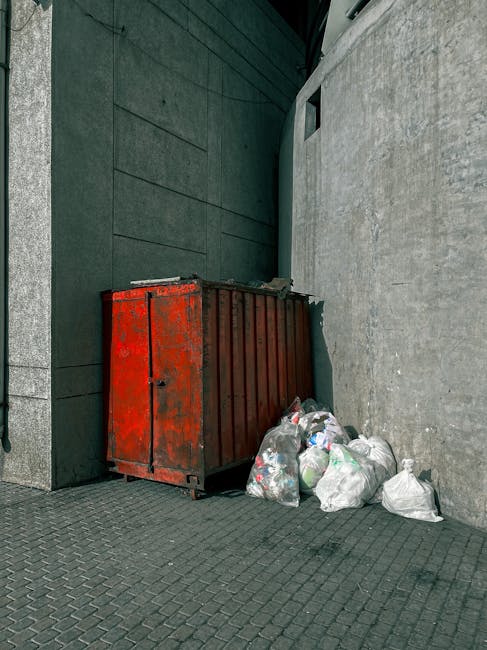
Emergency bulky rubbish pickup near Deptford station
If you are dealing with a sudden pile of bulky waste near Deptford station, you probably do not need a lecture - you need the stuff gone, fast. A broken sofa in a hallway, a mattress blocking access, old office chairs stacked by the lift, or a garage full of forgotten junk can turn a normal day into a mess very quickly. Emergency bulky rubbish pickup near Deptford station is about getting that clearance handled safely, quickly, and with as little disruption as possible.
This guide explains how urgent bulky waste removal works, what to expect, what can go wrong, and how to choose the right approach when time matters. It also covers practical steps for flats, homes, shops, landlords, and small businesses around Deptford, where tight entrances, busy pavements, and limited parking can make a fast clearance more complicated than it first appears.
In our experience, the biggest relief for people is not just the empty space at the end. It is the sense that the problem has stopped being your problem. That matters on a stressful day.
Table of Contents
- Why Emergency bulky rubbish pickup near Deptford station Matters
- How Emergency bulky rubbish pickup near Deptford station Works
- Key Benefits and Practical Advantages
- Who This Is For and When It Makes Sense
- Step-by-Step Guidance
- Expert Tips for Better Results
- Common Mistakes to Avoid
- Tools, Resources and Recommendations
- Law, Compliance, Standards, or Best Practice
- Options, Methods, or Comparison Table
- Case Study or Real-World Example
- Practical Checklist
- Conclusion
- Frequently Asked Questions
Why Emergency bulky rubbish pickup near Deptford station Matters
Bulky waste is different from a small black bag of household rubbish. We are talking about large, awkward items that are difficult to move, difficult to store, and often impossible to safely leave in a communal area for long. If they are blocking an exit, making a flat unusable, or creating a fire or trip hazard, the situation shifts from inconvenient to urgent.
Deptford station sits in a busy part of south-east London, so clearance timing can matter more than people expect. A sofa left in a shared stairwell, a wardrobe on the pavement, or renovation debris by a front entrance can quickly become a problem for neighbours, passers-by, and building managers. You do not want an awkward pile becoming a dispute with the block, or worse, attracting fly-tipping complaints.
There is also the practical side. If you are moving out, preparing a tenancy handover, taking over a new commercial unit, or handling an unexpected household emergency, bulky waste often gets in the way of everything else. The faster it is removed, the faster you can reset the space. That is really the whole point.
A quick note: bulky rubbish pickup is not the same as a casual tidy-up. It is usually planned around access, lifting safety, item type, and proper disposal. A good provider will think about the route from the property to the vehicle, not just the pile itself.
Expert summary: emergency bulky rubbish pickup is most useful when space, safety, or deadlines are under pressure. The best results come from clear communication, realistic access details, and a crew that is used to working in tight London streets and flats.
If your unwanted items came from a wider property cleanout rather than a single emergency pile, you may also find flat clearance, home clearance, or house clearance more relevant than a one-off collection. The right service depends on the mess, not the marketing label.
How Emergency bulky rubbish pickup near Deptford station Works
Most urgent bulky waste removals follow a simple pattern, though the exact process depends on the property and the items involved. First, you describe what needs removing. Then the team assesses access, volume, and any special handling needs. After that, they arrive with the right number of staff and vehicle space, remove the items, and take them away for appropriate disposal or sorting.
For many people, the key question is speed. Can it happen today? Sometimes yes, sometimes not. Emergency usually means same-day or next-available, but that still depends on where you are, how much there is, and whether the items can be safely lifted. A single mattress is very different from a full office strip-out. Let's face it, the word "bulky" covers a lot.
Near Deptford station, access is often the thing that changes the job. Basement flats, narrow hallways, stepped entrances, shared courtyards, and limited parking can all affect timing. A crew that knows how to work around those constraints can usually move faster because they arrive prepared, which sounds obvious, but it really matters.
Typical bulky items include:
- sofas, armchairs, and sofa beds
- mattresses and bed frames
- wardrobes, tables, and bookcases
- broken appliances that are too large for ordinary bins
- old office furniture such as desks and filing cabinets
- garage clutter, boxing, and mixed household junk
- garden furniture, fencing panels, and outdoor waste
For furniture-specific removals, the furniture disposal and sofa removal pages are relevant if the main problem is one or two large items rather than a full clearance. If the job is more mixed, rubbish removal or waste removal may be the better fit.
Most good crews will also ask whether anything is hazardous, unusually heavy, wet, sharp, or contaminated. That is not them being difficult. It is them avoiding a situation where a lift becomes unsafe halfway through. You do not want a rushed job to turn into an injury or damage claim. Nobody needs that sort of afternoon.
Key Benefits and Practical Advantages
The main benefit of emergency bulky rubbish pickup is obvious: the waste gets removed quickly. But the real value goes deeper than speed. When a clearance is handled properly, it reduces stress, restores usable space, and lowers the risk of neighbour complaints or trip hazards.
1. Fast regain of space
Whether it is a cramped flat off Deptford High Street or a storage area that has become unusable, bulky waste can consume valuable room. A quick pickup gives you back access to hallways, bedrooms, yards, and work areas without dragging the job out for days.
2. Less manual handling risk
Large items are awkward. A sofa caught on a stair turn or a heavy cabinet on a wet pavement can be genuinely risky. A trained crew with the right lifting approach is much safer than trying to "just shift it" with a mate and a bit of optimism.
3. Better compliance and disposal discipline
When items are removed by a professional clearance team, they are more likely to be sorted and disposed of responsibly. That can matter for mixed loads, reusable items, and anything that should not be dumped into ordinary household waste.
4. Reduced disruption for neighbours and tenants
In flats and shared buildings, even a short delay can affect everyone. Clearing bulky rubbish quickly helps keep corridors clear, lifts free, and communal spaces usable. It also reduces the chance of complaints from building management.
5. Easier same-day coordination
Urgent jobs often come with other moving parts: removals, handovers, repairs, decorating, or a last-minute inspection. Removing the waste first can make the rest of the day much easier. Strange how often that one step unlocks everything else.
If your urgent job also includes a wider tidy-up or property reset, you might look at rubbish clearance, waste clearance, or even garage clearance if the bulky items are buried under years of clutter.
Who This Is For and When It Makes Sense
Emergency bulky rubbish pickup near Deptford station makes sense for a wide range of people. The common thread is simple: something large needs to go, and waiting is not ideal.
- Tenants who need to clear old furniture before a move-out date
- Landlords dealing with left-behind items between tenancies
- Homeowners facing sudden clutter, breakdowns, or post-renovation mess
- Flat owners in blocks with awkward access or strict communal rules
- Offices replacing desks, chairs, filing cabinets, or mixed equipment
- Shops and cafes needing fast removal of packaging, fixtures, or worn-out furnishings
- Builders and decorators who need bulky debris taken away without delaying the next stage
It also makes sense when a bulky item has become a hazard. A split mattress leaning in a corridor, broken shelving in a garden path, or a heavy item blocking access to a fire exit should be removed promptly. Common sense really does apply here.
Sometimes the best choice is not the smallest service, but the one that fits the full job. For example, a one-bedroom flat full of old furniture may be better handled through flat clearance, while a larger property handover might suit house clearance or home clearance.
Step-by-Step Guidance
If you need a fast bulky waste pickup, keep the process simple. The smoother the information you give up front, the smoother the visit tends to be. Here is a practical way to handle it.
- Identify exactly what needs to go. Make a short list. Sofa, mattress, desk, four chairs, broken freezer, whatever it is. If you can count the items, do that.
- Check access honestly. Note stairs, narrow hallways, parking restrictions, lift availability, and whether the items are in a top-floor flat, garden, or garage.
- Separate anything sensitive or hazardous. Keep aside batteries, chemicals, needles, gas bottles, or anything you are unsure about. If in doubt, ask first.
- Take a quick photo set. A few photos can save a lot of back-and-forth. No need to make it art. Just useful, clear pictures.
- Explain urgency. Say whether it is same-day, next-morning, before a checkout deadline, or before builders arrive. That changes the booking plan.
- Clear a path. Move smaller items out of the way so the crew can lift and carry safely. It sounds minor, but it can shave time off the job.
- Confirm the collection plan. Make sure you know what will be removed, when, and from where.
- Inspect once it is done. Check the area before everyone leaves. It is much easier to spot a missed chair leg or bit of packaging right then.
A helpful rule of thumb: if you can walk the route from the item to the exit without stepping over clutter, the team probably can too. If not, tidy the route first. It really does make a difference.
Expert Tips for Better Results
Here are a few things that make urgent bulky rubbish pickup much smoother, especially in busy parts of Deptford where access can be tight and timing matters.
- Measure large items if they are awkward. Wardrobes, bed bases, and large sofas can turn in a corridor only if the angles work. A rough measure is better than a surprise on the day.
- Tell the crew if items are damaged or unstable. A wobbly bookcase or collapsed unit may need a different lifting approach.
- Reserve parking or note restrictions early. Even where parking is available, a van still needs space to load safely.
- Keep communal areas clear. In blocks of flats, a few minutes spent moving prams, bikes, or bins can prevent delays.
- Bundle smaller matching items together. Loose lamp stands, shelving brackets, and bits of timber are easier to handle when grouped.
- Book the right type of service. Mixed waste is not the same as a single-item pickup. If the job is bigger, the right service saves time later.
One small but useful tip: if you are clearing after a last-minute change of plans, keep one room as a staging area. It gives the crew a clean loading point and stops the property from feeling even more chaotic. A bit of breathing space, basically.
If the clutter includes office furniture or business stock, consider whether office clearance or business waste would better reflect the job. For renovation leftovers, builders waste is often the more accurate fit.
Common Mistakes to Avoid
People usually make bulky waste removals harder than they need to be for one of a handful of reasons. None of them are dramatic. They are just the sort of small oversights that create bigger delays.
- Not being clear about the volume. Saying "a few bits" when it is actually a room full of items wastes time and can lead to the wrong vehicle.
- Forgetting access details. A ground-floor collection is very different from a fourth-floor walk-up with no lift.
- Leaving fragile items mixed in. Glass, mirrors, and sharp edges need care. Do not tuck them in casually with heavy furniture.
- Assuming every item can be taken. Some materials need special handling. If an item is unusual, mention it early.
- Blocking the route to the exit. This slows everything down and creates avoidable risk.
- Waiting until the last possible hour. Emergency services help, yes, but the earlier you call, the better the chance of a smooth same-day result.
The biggest mistake, honestly, is treating urgent bulky rubbish like a normal bin day. It is not. It needs a bit of planning, even when the whole point is to get it done quickly.
Tools, Resources and Recommendations
You do not need much to prepare for a bulky rubbish pickup, but a few simple tools can make the job easier.
- Phone camera for clear photos of the items and access points
- Measuring tape for large furniture and narrow doorways
- Gloves if you are moving small safe items ahead of the crew
- Bin bags or boxes for loose mixed clutter, if it helps sort smaller pieces
- Notebook or phone notes for item counts and questions
In terms of service types, the right choice depends on the shape of the job. A single sofa may suit sofa removal. A mixed pile from a declutter may fit rubbish collection. If you are dealing with all sorts of general household waste, waste collection is often the simplest phrase to use when you first enquire.
If the problem started in a storage space, the garage clearance service can be a useful reference point because garages often hold the weirdest combination of stuff - old paint tins, broken shelves, half-moved furniture, bits of garden equipment, and the inevitable mystery box. We have all seen one of those boxes.
Law, Compliance, Standards, or Best Practice
When bulky rubbish is removed, the key thing is to make sure it is handled responsibly. In the UK, waste should be passed to a suitably authorised carrier and disposed of properly. You do not need to become a legal expert, but you should be cautious about who takes your waste and how it is handled.
For everyday users, the practical best practice is straightforward: use a provider that can explain where the waste goes, what happens to reusable items, and how mixed loads are managed. If you are a landlord, business owner, or managing agent, keep a record of what was removed and when. That kind of simple paper trail can save headaches later.
Also, never leave bulky items on public land expecting them to disappear. It is a common mistake and, to be fair, a risky one. Items left near pavements or shared entrances can create complaints, safety issues, and the possibility of enforcement action. Better to deal with it properly the first time.
For commercial spaces, duty of care matters in a practical sense too. If you are disposing of office furniture or business clutter, it is smarter to separate what can be reused, recycled, or disposed of as mixed waste. For that reason, waste disposal and waste removal are often better umbrella terms than trying to force everything into one narrow category.
Options, Methods, or Comparison Table
There are a few ways to deal with bulky rubbish near Deptford station. The right option depends on urgency, item size, access, and how much sorting you want to do yourself.
| Option | Best for | Pros | Watch out for |
|---|---|---|---|
| DIY move to a local disposal point | Small amounts, easy access | Can be cheap if you already have transport | Heavy lifting, parking, time, and disposal rules |
| Single-item pickup | One sofa, mattress, or appliance | Simple, quick, focused | May not suit mixed waste or larger volumes |
| Bulky rubbish collection | Mixed large items | Good balance of speed and convenience | Needs clear item details upfront |
| Full clearance | Rooms, flats, garages, or offices | Best for larger, messy jobs | Requires better planning and access info |
As a rule, the more awkward the job, the more useful professional help becomes. If you are looking at a tired flat, a locked garage, and a pile of furniture all at once, trying to split the problem into tiny pieces can actually make it harder. Sometimes one clean solution is the right one.
Case Study or Real-World Example
Picture a small first-floor flat a short walk from Deptford station. The tenant has finished moving out, but a sofa, bed frame, broken wardrobe, and several loose bags are still in the living room. The move-out date is the same evening, the landlord wants the place empty, and the building has a narrow shared stairwell. Not ideal.
In a situation like that, the best outcome usually comes from a clear, direct request: what items, what floor, what access, and how urgent. A crew arrives with the right lifting plan, works through the stairwell carefully, and clears the lot without dragging the job into the next day. The space is left usable again, and the handover can go ahead.
Nothing dramatic happened. No big ceremony. Just a solved problem. Those are the best jobs, really.
Another common scenario is a small business near the station replacing office seating and reception furniture. If the old pieces are left behind after delivery of the new ones, the space can look half-finished and cluttered. In that case, a quick office clearance style response is often the cleanest fix, especially if the furniture needs to be removed before trading hours the next day.
Practical Checklist
Use this quick checklist before booking an emergency bulky rubbish pickup near Deptford station.
- List every bulky item you want removed
- Check whether any items are broken, wet, heavy, or sharp
- Note floor level, lift access, and stair details
- Confirm whether parking or loading space is available
- Take a few clear photos
- Decide if it is a single-item job or a wider clearance
- Separate anything hazardous or uncertain
- Clear the route to the items if you can
- Tell the provider how urgent the pickup is
- Inspect the area after removal
Quick takeaway: the better the access info, the faster the job usually goes. That one thing alone saves a lot of trouble.
Conclusion
Emergency bulky rubbish pickup near Deptford station is really about restoring order when time is tight. Whether you are dealing with a single sofa, a surprise pile after a move, or a full set of unwanted furniture, the right approach is the one that is safe, quick, and suited to the space you are working with.
Keep the process clear, explain the access details, and choose the service type that matches the actual job. That is what keeps an urgent clearance from becoming a long, awkward chore. And if the space feels overwhelming right now, that is normal. It usually looks much worse before it looks better.
Get a free quote today and see how much you can save.
Once the bulky waste is out of the way, you will be surprised how much calmer the place feels. A cleared room has a way of giving the day back to you.
Frequently Asked Questions
What counts as bulky rubbish near Deptford station?
Bulky rubbish usually means large household or commercial items that are too big or awkward for standard bin collection. Sofas, mattresses, wardrobes, desks, chairs, shelving, and broken appliances are common examples.
Can I get emergency bulky rubbish pickup on the same day?
Often, yes, but it depends on availability, access, and the size of the load. If you need same-day help, it is best to explain the urgency clearly and give accurate item details straight away.
Is bulky rubbish pickup different from general rubbish removal?
It can be. Bulky rubbish pickup focuses on large, heavy, or awkward items. General rubbish removal may cover mixed waste, smaller clutter, or a broader clearance. The right service depends on what needs taking away.
What should I do before the collection team arrives?
Make the items easy to identify, clear a path if possible, and note anything that may be difficult to move. Photos and floor/access details help a lot, especially in flats or tight spaces.
Do I need to move the items outside first?
Not usually. In many cases, the team will collect items from inside the property if access allows. It is still helpful to make the route as clear as possible.
What if my bulky waste includes mixed household clutter?
That is common. Mixed clutter can often be handled as part of rubbish clearance or waste clearance, depending on the volume and type of items involved.
Is it safe to leave bulky items in a communal hallway?
No, not for long. It can block access, create a trip hazard, and cause complaints. If the item is large or awkward, it is better to arrange prompt removal rather than leaving it in shared space.
What happens to the items after pickup?
That depends on the type of material and condition of the items. Some may be suitable for reuse or recycling, while others will be taken for disposal. A responsible provider should handle that process properly.
Can you remove furniture from a flat with narrow stairs?
Usually yes, if the access route is workable and the furniture can be moved safely. This is where accurate measurements and photos help. Some pieces may need to be taken apart first.
How much does emergency bulky rubbish pickup cost?
Costs vary based on item size, volume, labour required, access, and urgency. It is safer to request a tailored quote than to rely on a rough guess, especially for urgent or difficult jobs.
Do I need special help for office furniture or commercial waste?
If the items came from a workplace, office, shop, or business unit, then business waste or office clearance may be more suitable than a domestic-style pickup.
What is the best option for one broken sofa?
A single-item service such as sofa removal is often the cleanest choice. It is usually faster and simpler than booking a bigger clearance you do not really need.
Can bulky rubbish be removed from a garage or garden area?
Yes, and those spaces often need their own approach because of awkward access and mixed contents. If the problem is concentrated in one area, garage clearance or garden clearance may be a better fit.
How can I avoid delays on the day?
Be clear about the items, the access, and the urgency. Keep the route clear, mention any parking restrictions, and let the team know if anything is unusually heavy or awkward. Straightforward information saves time, every time.
For local support across the wider area, you may also want to explore Deptford and the broader South East London service coverage if your job stretches beyond the station area.