Avoid hidden rubbish removal fees in Lewisham council areas
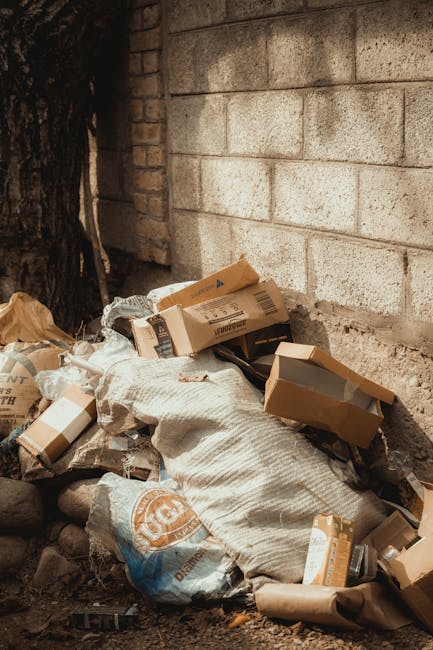
If you are trying to avoid hidden rubbish removal fees in Lewisham council areas, you are probably already halfway through a stressful job: a pile of old furniture by the hall, bags in the garden, maybe a garage that has quietly become a storage unit over the years. The awkward part is not always the rubbish itself. It is the final invoice. One price on the phone, another price at the kerb. That is where people feel caught out, and to be fair, it happens more often than it should.
This guide breaks down how hidden charges tend to show up, what to ask before anyone arrives, how local access and council-related rules can affect the job, and how to compare rubbish removal quotes without getting lost in jargon. If you live in Lewisham, or anywhere nearby in south east London, the goal is simple: get the waste cleared properly, pay for what you agreed, and avoid the little extras that turn a fair price into a frustrating one.
One useful note before we begin: the best way to reduce surprise fees is usually not to bargain harder at the end. It is to be clearer at the beginning. Strange, but true.
Why avoiding hidden fees matters
Hidden rubbish removal charges are not just annoying. They can throw off your budget, slow down your moving plans, or force you to delay a clearance altogether. In Lewisham council areas, where homes range from compact flats to terraced houses with awkward side access, the final price can change if the job has not been described properly. A van might need extra loading time. A crew might need to park further away. Items may be heavier than expected. None of that is unusual, but it should be explained before work starts.
The real issue is trust. If a company is vague about pricing, it becomes hard to know whether the extra line item is justified or just opportunistic. You may notice this especially when clearing mixed waste, like a sofa, a wardrobe, and a few black bags from a flat in flat clearance work. The quote can look tidy until someone mentions stairs, loading distance, or a minimum charge that was never really discussed.
Lewisham also has a mix of busy streets, controlled parking, and residential roads where access matters. That means the same load can cost differently depending on whether the team can pull up outside, needs a permit-friendly arrangement, or must carry items a long way. None of this is a problem on its own. It just needs to be priced honestly.
Key takeaway: the safest rubbish removal quote is the one that explains what is included, what could change the cost, and exactly when those changes apply.
If you want a broader service page to compare against, the main rubbish removal and waste clearance pages are useful starting points for understanding the kinds of jobs that are typically covered.
How avoiding hidden rubbish removal fees in Lewisham council areas works
The process is really about due diligence before the van turns up. A proper quote should be based on enough information to assess the job fairly. That usually means the type of waste, the approximate volume, the access, the location, and any unusual items. If you only say "a bit of rubbish," that is when pricing gets fuzzy. Fuzzy pricing nearly always favours the supplier, not the customer.
Most hidden fees tend to come from one of a few places:
- Volume surprises: the load is larger than described.
- Heavy or awkward items: things like wardrobes, mattresses, or multiple appliances can take more labour.
- Access issues: stairs, basements, narrow hallways, or long carrying distances.
- Parking or waiting time: a crew that cannot park close by may build that into the final cost.
- Special waste handling: some items need extra care, sorting, or disposal arrangements.
- Late changes: adding items after the quote is given, even if it feels small to you.
That is why a reliable provider will ask questions, sometimes a lot of them. It can feel a bit fussy. But it is better than the cheerful underquote followed by a difficult conversation at the end. If you are clearing a home after a move, for instance, a team handling house clearance or home clearance should know whether they are dealing with a single room, a loft, or an entire property with tight stair access.
In Lewisham council areas, the geography of the job often matters as much as the rubbish itself. A quick roadside collection in a straightforward street is one thing. A ground-floor flat behind a shared walkway is another. If the company has not built those factors into the quote, they may try to add them later. That is the gap you want to close.
Key benefits and practical advantages
Clear pricing is not just about avoiding being overcharged. It also makes the whole job quicker, calmer, and easier to plan. Once you know the true cost, you can decide whether to clear everything at once, split the work into two visits, or remove the bigger items first.
- Better budgeting: no last-minute panic when the invoice arrives.
- Faster decision-making: you can compare suppliers on a like-for-like basis.
- Less disruption: the job is more likely to run on time when the scope is agreed.
- Cleaner handover: useful if you are moving out, renting, or selling.
- Lower stress: you are not arguing about what was or was not included.
There is also a practical upside for landlords, letting agents, and business owners. If a property needs a fast reset, a fair quote helps you schedule the clearance alongside other work, such as decorating or repairs. A business may prefer office clearance or business waste collection where the scope is clearer and the paperwork is easier to keep straight. For builders, a focused builders waste service can avoid confusion over mixed rubble, timber, and packaging.
And yes, sometimes the biggest benefit is simply peace of mind. You know the job is sorted, the rubbish is gone, and nobody is going to reappear with a mysterious "access fee" because the crew had to walk an extra 20 metres. That sort of thing should be obvious before anyone lifts a finger.
Who this is for and when it makes sense
This approach makes sense for almost anyone booking a rubbish clearance in or around Lewisham, but especially for people in these situations:
- Tenants moving out of a flat and trying to keep final costs under control.
- Homeowners clearing a loft, shed, garage, or spare room.
- Landlords preparing a property between tenancies.
- Businesses getting rid of old furniture, stock, or packaging.
- Tradespeople who need waste removed after a refurb or small build.
- Anyone with bulky items that are hard to move alone, such as sofas or wardrobes.
If that sounds familiar, a service like garage clearance can be particularly helpful when the mess has built up quietly over time. Garages are funny like that. One box becomes ten, then a bike, then an old mattress, then "I'll sort it next month." Next month arrives and the fee gets bigger if the job has not been described properly.
It also makes sense if you are comparing waste removal against council-led options. Council services can work well for some households, but they may not suit urgent jobs, bulky mixed items, or short-notice clearances. If speed, lifting help, and straightforward collection matter, a private provider may be the more practical choice, provided the price is transparent.
Step-by-step guidance
If you want to avoid hidden charges, use a simple process before you book. Nothing fancy. Just a bit of clarity upfront.
- List everything you need removed. Be specific. "One three-seater sofa, one armchair, four black bags, one broken bedside table" is better than "miscellaneous rubbish."
- Take photos from more than one angle. Wide shots help with volume. Close shots help with awkward items. A couple of images can save a lot of back-and-forth.
- Explain access clearly. Mention stairs, lifts, shared entrances, narrow paths, parking restrictions, and whether items are inside or outside.
- Ask what the quote includes. Loading, labour, disposal, VAT if relevant, parking, and waiting time should all be clear.
- Ask what could change the price. This is the big one. If the company cannot tell you the common price triggers, that is a red flag.
- Confirm the booking in writing. A text or email summary helps avoid "I thought you meant..." conversations later.
- Be present, if you can. If the crew sees the items and can confirm the scope on arrival, there is less room for disagreement.
For bulky household items, it can help to separate the job by category. A single furniture-only collection, such as furniture disposal or sofa removal, may be simpler to price than a mixed load stuffed with random bits from several rooms.
A quick example: you book a team for a flat clearance in Lewisham, but you forget to mention the stairwell is narrow and the lift is out of order. The crew arrives, realises the job takes more time, and the price shifts. That change may be fair if the extra work was genuinely not disclosed. But if you had mentioned it before booking, the quote should have reflected it from the start. That is the difference.
Expert tips for better results
A few habits make a big difference. In our experience, they are the small, slightly boring details that save money.
- Get the job measured, not guessed. Volume is easier to price when you describe it in bags, cubic yards, room count, or by clear photos.
- Ask whether there is a minimum charge. Some firms price smaller jobs with a base fee, which is fine as long as it is stated early.
- Check whether labour is included. Some quotes look cheap because they assume curbside loading only.
- Watch out for vague words. "From" pricing can be useful, but not if it is used to dodge specifics.
- Clarify mixed waste. Garden cuttings, old timber, broken furniture, and builder's rubble may be priced differently.
- Use one point of contact. Too many messages to different people increases the odds of something being missed.
One of the best things you can do is ask a direct question: "What would make this price go up on the day?" It is a simple line, but it often reveals everything you need to know. If the answer is clear, good. If it turns slippery, also useful information. A little bluntness saves time.
If the clearance involves a garden, that can bring its own quirks. Soil, branches, shed contents, and old outdoor furniture are often handled best by a dedicated garden clearance service so the scope is easier to understand. Similar logic applies to large domestic jobs through house clearance or rubbish collection when the load is mixed but still straightforward.
Common mistakes to avoid
The most common mistake is simply accepting the first quote without enough detail. That is understandable if you are busy, but it is still a mistake. Here are the other big ones.
- Describing the waste too loosely: "A few bits" is not enough.
- Forgetting access issues: stairs, distance, and parking matter.
- Ignoring item type: a mattress is not the same as a bag of clothes.
- Not asking about disposal fees: you should know whether disposal is already included.
- Assuming all quotes are fixed: some are estimates, and that needs to be said plainly.
- Leaving items out of the description: a late-added set of drawers can change the price.
Another subtle mistake is comparing only on headline price. The cheapest quote is not always the cheapest job. If one company is detailed, insured, and clear, while another is vague but slightly cheaper, the second option may end up costing more once the extras appear. Let's face it, nobody enjoys being "the cheap quote" that wasn't actually cheap.
If you are clearing a flat, the flat clearance approach can be useful because access, stairs, and communal areas are part of the conversation from the start. That makes the final price easier to trust.
Tools, resources and recommendations
You do not need specialist software to manage this properly. A phone, a notes app, and a camera are usually enough. Still, a few simple tools help.
- Photo checklist: capture the whole room, then the individual items.
- Written inventory: a short list with counts helps avoid memory slips.
- Measure tape: handy for bulky furniture, especially wardrobes and sofas.
- Parking notes: note if the van will need to park a distance away.
- Access notes: mention gates, lifts, coded entry, or restricted hours.
For business customers, keeping the process tidy matters even more. If you are clearing an office, old equipment, archived items, or stockroom clutter, it helps to use a service such as office clearance or waste removal and keep a written record of what left the site. If the job involves recurring collections, waste collection may be a better fit than one-off removal.
For people who want to understand the broader service range, the main rubbish clearance and waste disposal pages are useful reference points. They help you see whether your job is a straightforward pickup, a more complex waste clearance, or a mixed-item job that needs a bit more planning.
Law, compliance, standards and best practice
When rubbish is collected privately, you still want the job handled in a responsible way. In the UK, waste should be dealt with properly, and businesses in this space are generally expected to operate transparently and dispose of waste through appropriate channels. You do not need to become a legal expert to book a clearance, but you should expect honest descriptions, proper handling, and sensible paperwork where relevant.
Best practice usually includes:
- clear written pricing or a clear written summary of the booking;
- accurate description of the waste and any exclusions;
- proper handling of items that need extra care;
- respect for access, neighbours, and shared areas;
- transparent explanation of any extra charges before work begins.
If a quote seems too good to be true, it often is. That does not automatically mean the company is dishonest, but it does mean you should ask more questions. A reputable provider should be comfortable explaining how they price labour, disposal, access, and any unusual waste types. If they avoid the question, that is not a great sign.
For local customers in Lewisham council areas, it is also sensible to think about parking, access, and timing. Those issues are not legal drama, just everyday reality. But if they are ignored, they can create friction. Good practice is simply to mention them upfront and keep the arrangement documented. Nothing glamorous. Just solid housekeeping.
Options and comparison table
If you are trying to decide how to clear waste without overpaying, it helps to compare the main approaches side by side. Here is a straightforward view.
| Option | Best for | Pros | Watch-outs |
|---|---|---|---|
| Private rubbish removal | Urgent or bulky jobs | Fast, labour included, flexible | Needs clear pricing and good description |
| Council-style disposal options | Lower-pressure, non-urgent clearances | Can be suitable for simple loads | May be less flexible on timing or item types |
| Separate specialist services | Furniture, sofas, garages, gardens, builders waste | Cleaner scope, easier to quote accurately | May need more than one booking if the waste is mixed |
For example, a sofa and armchair job may be best handled through sofa removal, while a stock of mixed household clutter may sit better with home clearance. If the waste is from a refurbishment, builders waste is the more relevant category. Choosing the right type of service can reduce the chance of pricing confusion before it starts.
Case study or real-world example
A Lewisham resident was clearing a two-bedroom flat after moving out and thought the job was fairly simple: one wardrobe, a broken chest of drawers, a sofa, and several bin bags of mixed clutter. The first quote looked reasonable, but it was based on a rough phone description and no photos. On the day, the team realised the property was on an upper floor, the lift was not working, and the wardrobe had to be dismantled before removal. The final cost moved up.
Nothing dramatic happened, and nobody was rude, but the resident later said the whole thing would have felt smoother if they had been asked more specific questions beforehand. The lesson was not "find the cheapest company." It was "give the company enough information to quote properly." After that, they booked the next clearance with photos, a room-by-room list, and a note about access. The second job was calmer, quicker, and exactly as priced. Plain and simple.
That is the pattern you see again and again. More detail upfront usually means fewer surprises later. A little boring, maybe. Very effective, definitely.
Practical checklist
Use this before you confirm a booking.
- Have I listed every item that needs removing?
- Have I sent clear photos or a detailed description?
- Have I mentioned stairs, lifts, parking, or long carrying distances?
- Do I know whether labour, loading, and disposal are included?
- Have I asked what might trigger a price change on the day?
- Have I confirmed the price in writing?
- Do I know whether the company handles my type of waste?
- Have I compared more than one quote on the same basis?
- Am I comfortable with the company's explanation, not just the number?
- Do I have a contact number or message trail in case I need to clarify something later?
Practical summary: if the quote is clear, the access is clear, and the item list is clear, you are in a much better position to avoid hidden rubbish removal fees in Lewisham council areas.
Conclusion
The best way to avoid hidden rubbish removal fees is not complicated. Be specific, ask the right questions, and make sure the quote reflects the real job rather than a vague guess. In Lewisham council areas, where access, parking, and property layouts can vary quite a lot, that extra bit of clarity matters more than people think.
Whether you are clearing a flat, a garden, a garage, or an entire house, the aim is the same: a fair price, no surprises, and a job done properly. If you take a few minutes to document the waste and confirm what is included, you will usually save yourself money, time, and a fair bit of irritation.
And honestly, that is a good outcome. Quietly good. The kind you only really appreciate when the van drives away and the space suddenly feels lighter.
Get a free quote today and see how much you can save.
Frequently Asked Questions
What counts as a hidden rubbish removal fee?
A hidden fee is any extra charge that was not made clear before the job started. Common examples include access charges, extra labour, heavy-item fees, or disposal costs that were not explained properly.
How do I compare rubbish removal quotes fairly in Lewisham?
Compare them on the same basis: list the same items, describe the same access issues, and check whether loading, labour, and disposal are included. A cheaper quote is not cheaper if it excludes obvious parts of the job.
Should I send photos before booking a clearance?
Yes, if possible. Photos usually reduce misunderstandings and make it much easier for the company to price the job accurately. A few wide shots and one or two close-ups are often enough.
Do stairs or no lift always mean extra charges?
Not always, but they often affect pricing because the work takes longer and can be more physically demanding. The key is whether that was discussed before the booking. If it was, the quote should already reflect it.
Is the cheapest rubbish removal service the best choice?
Usually not. The best choice is the one that gives a clear, honest quote and explains what is included. A low headline price can hide extras that appear later.
Can bulky furniture cause extra fees?
Yes, bulky furniture can affect the cost, especially if items need dismantling, special handling, or extra lifting. Services like furniture disposal or sofa removal are often easier to price when the item list is precise.
What should be included in a rubbish removal quote?
A good quote should usually cover collection, loading, labour, and disposal, with any exclusions or possible extra charges stated clearly. If something is not included, it should be obvious from the start.
Does mixed waste cost more than one type of waste?
It can, because mixed waste may take longer to sort or handle. For example, builders waste, garden waste, and household clutter may not all be priced the same way.
How can I reduce the chance of a price change on the day?
Be specific about the items, send photos, and mention access issues in advance. The more accurate the description, the less room there is for surprises.
Is written confirmation really necessary?
Yes. Even a short text or email summary helps avoid confusion later. It is a simple habit, but it can save a lot of back-and-forth if anything needs to be checked.
What if the company adds a fee I never agreed to?
Ask for a clear explanation and check the original booking details. If the extra charge was not discussed and does not match the agreed scope, you should question it before paying.
When should I use a specialist clearance service instead of general rubbish removal?
Use a specialist service when the waste category is obvious, such as garage clearance, office clearance, builders waste, or garden clearance. A narrower service can be easier to quote and less likely to create confusion.
Do Lewisham council areas create any special pricing issues?
The council area itself does not automatically create extra charges, but local access, parking, and road layout can affect the job. That is why accurate location details matter so much.
What is the simplest way to avoid being overcharged?
Describe the waste clearly, ask what could change the quote, and get the agreement in writing. Simple, but it works.